Pinky Funky: Injecting Y2K Energy into Modern Design
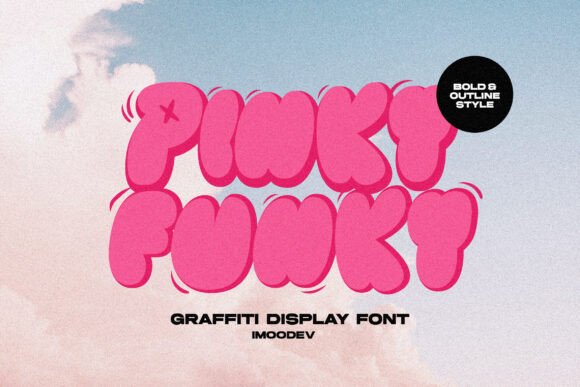
For designers seeking a typeface that instantly captures the bold, unapologetic energy of early 2000s street culture, the search often ends with a single, vibrant choice. Pinky Funky is a graffiti-style display font that delivers this exact punch, with its rounded, inflated letters creating an immediate 3D effect. This isn't just a font; it's a visual shortcut to nostalgia, rebellion, and playful confidence, making it a powerful creative asset in a designer's toolkit.
Understanding the Anatomy of a Cultural Font
At its core, the Pinky Funky font is defined by its puffy, irregular shapes and informal structure, which lend it an authentic street art feel. It comes in two versatile variations: a solid regular style for impactful headlines and an outline style that adds depth and a hand-drawn quality. This duality allows for tremendous flexibility in graphic design projects, enabling creators to adapt the typeface to different layers of a visual hierarchy. Its fun, energetic vibe makes it particularly effective for projects targeting youth, pop culture, and creative communities.
Practical Applications for Maximum Impact
The true value of a typeface like Pinky Funky lies in its application across various design projects. Its inherent style makes it a standout choice for specific, high-energy contexts.
- Branding and Logo Design: Ideal for streetwear brands, music apparel labels, or youth-focused startups aiming to establish a bold brand identity. It communicates a sense of trend-awareness and creative rebellion.
- Marketing and Social Media Graphics: Creates thumb-stopping content for Instagram stories, event posters, and digital ads. The 3D effect ensures text pops against complex backgrounds, improving visual hierarchy.
- Packaging and Merchandise: Transforms product packaging for snacks, cosmetics, or tech accessories, giving them a retro-modern edge. It’s equally effective on printed t-shirts, tote bags, and stickers.
- Web and UI Design: Use sparingly for hero banners, call-to-action buttons, or section headers on websites targeting a young demographic to inject personality without compromising overall UX design.
- Editorial and Presentation Design: Can break the monotony of traditional layouts in magazines, lookbooks, or creative presentations, adding a dynamic accent to key titles or pull quotes.
Integrating Pinky Funky into Your Design Workflow
Successfully incorporating a display font like this requires thoughtful strategy. It should complement, not overwhelm, your existing design system. Pair it with clean, neutral sans-serif fonts for body text to ensure readability and maintain a professional balance. Consider your color palette carefully; Pinky Funky works exceptionally well with vibrant, saturated colors or high-contrast black and white to enhance its 3D, graffiti-inspired aesthetic.
Before finalizing, always evaluate your choice against your project's goals. Ask: Does this font align with my audience's expectations? Does it support the core message or distract from it? Testing it in context—mocked up on a social media post, a product label, or a website header—is a crucial step in any professional design workflow. This ensures the typeface enhances the user experience and communicates the intended brand personality effectively.
In the ever-evolving landscape of visual design, having access to distinctive, high-quality creative assets is non-negotiable. Pinky Funky offers more than just letters; it provides a specific emotional resonance and cultural reference point. When used with intention and skill, it becomes a catalyst for creating memorable, engaging designs that stand out in a crowded marketplace, proving that the right typography is fundamental to powerful visual communication.